Tina Douglas
art
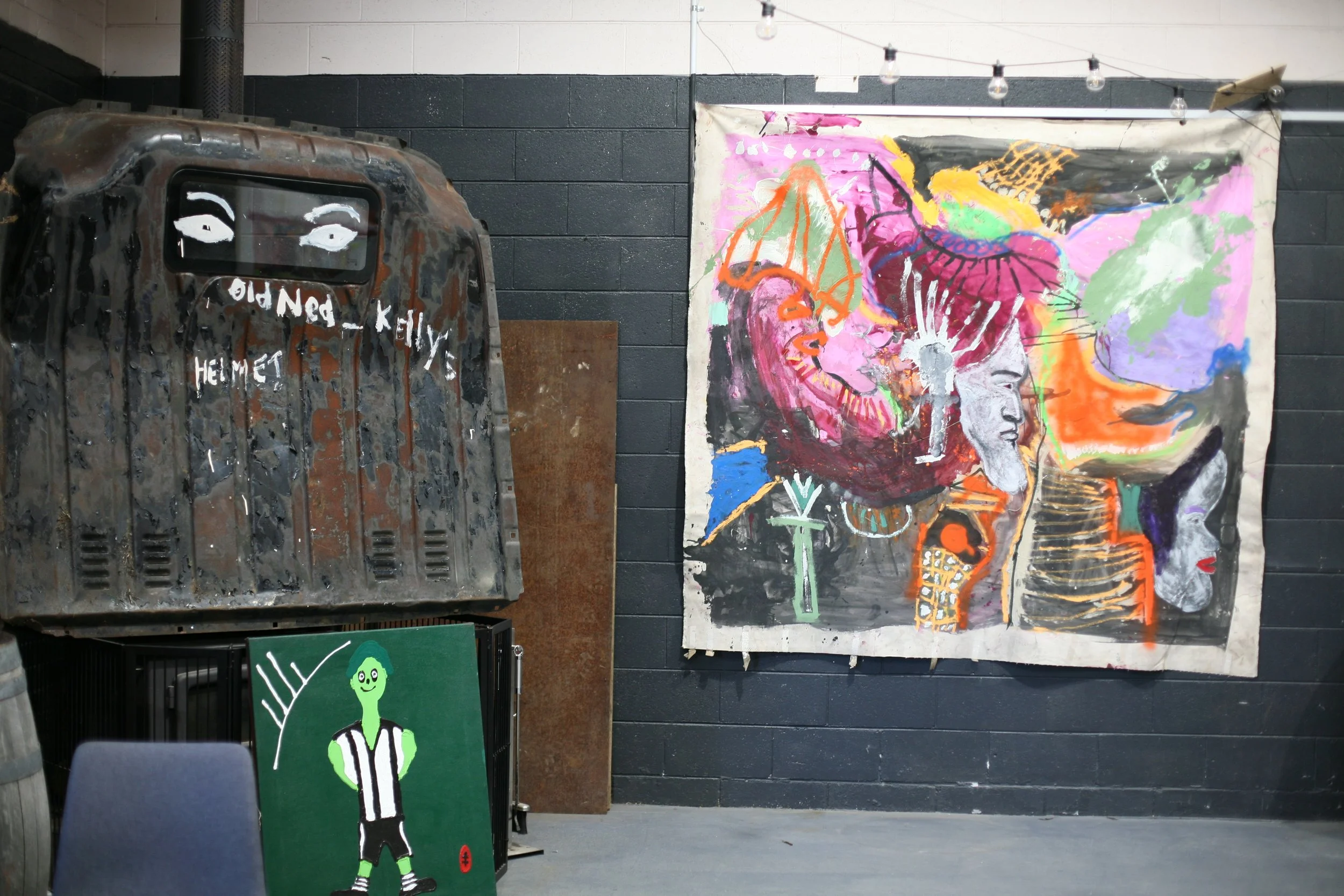
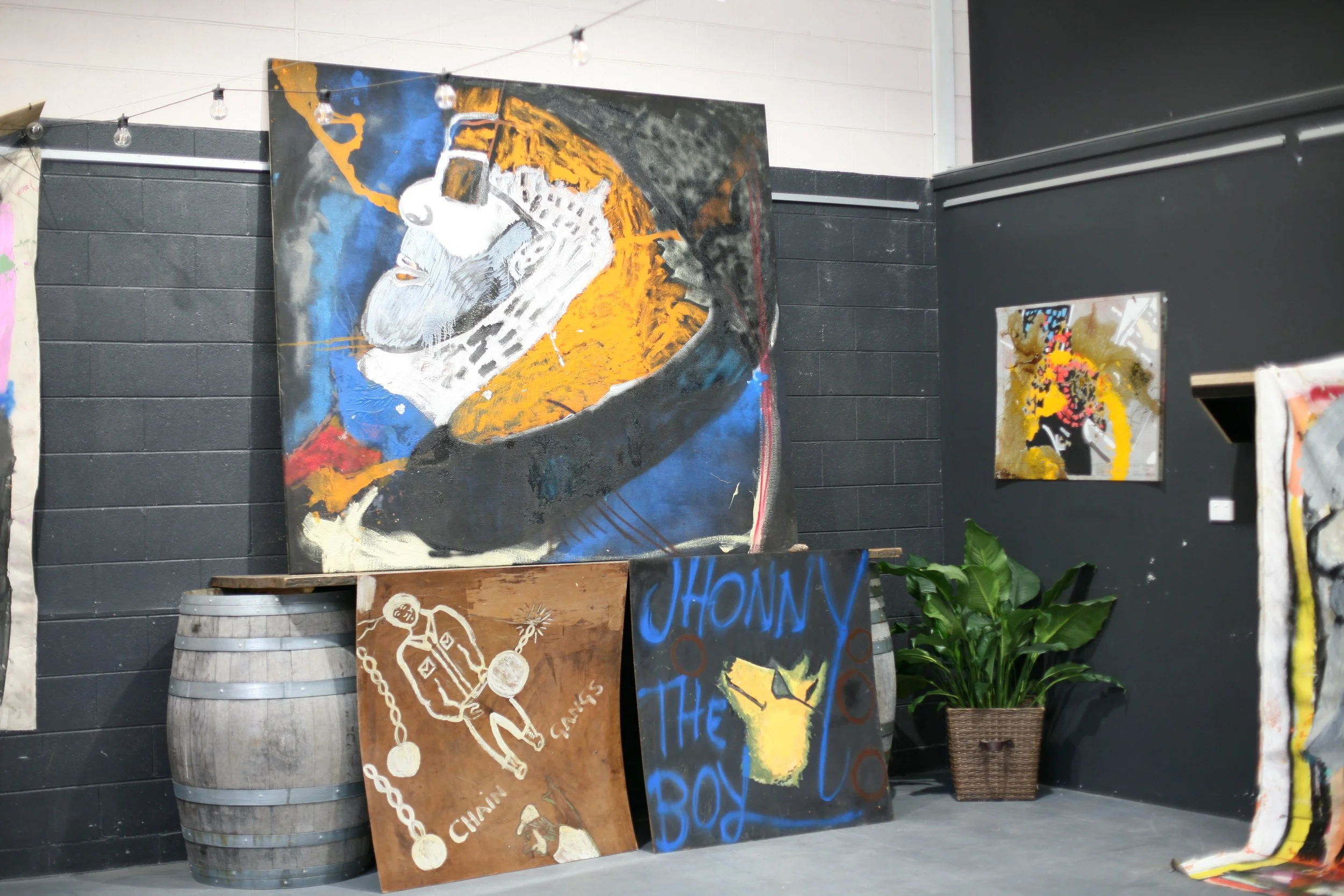
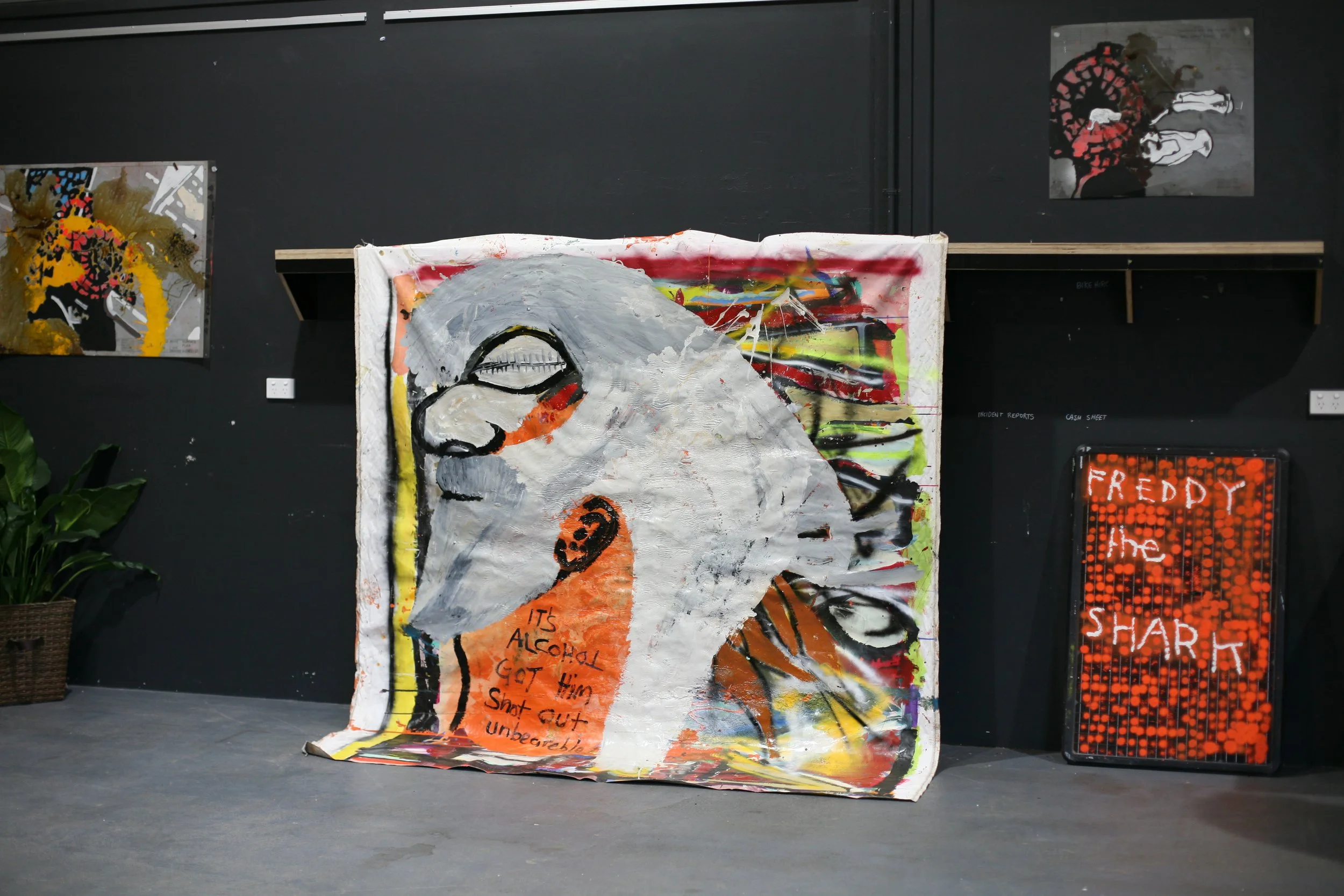
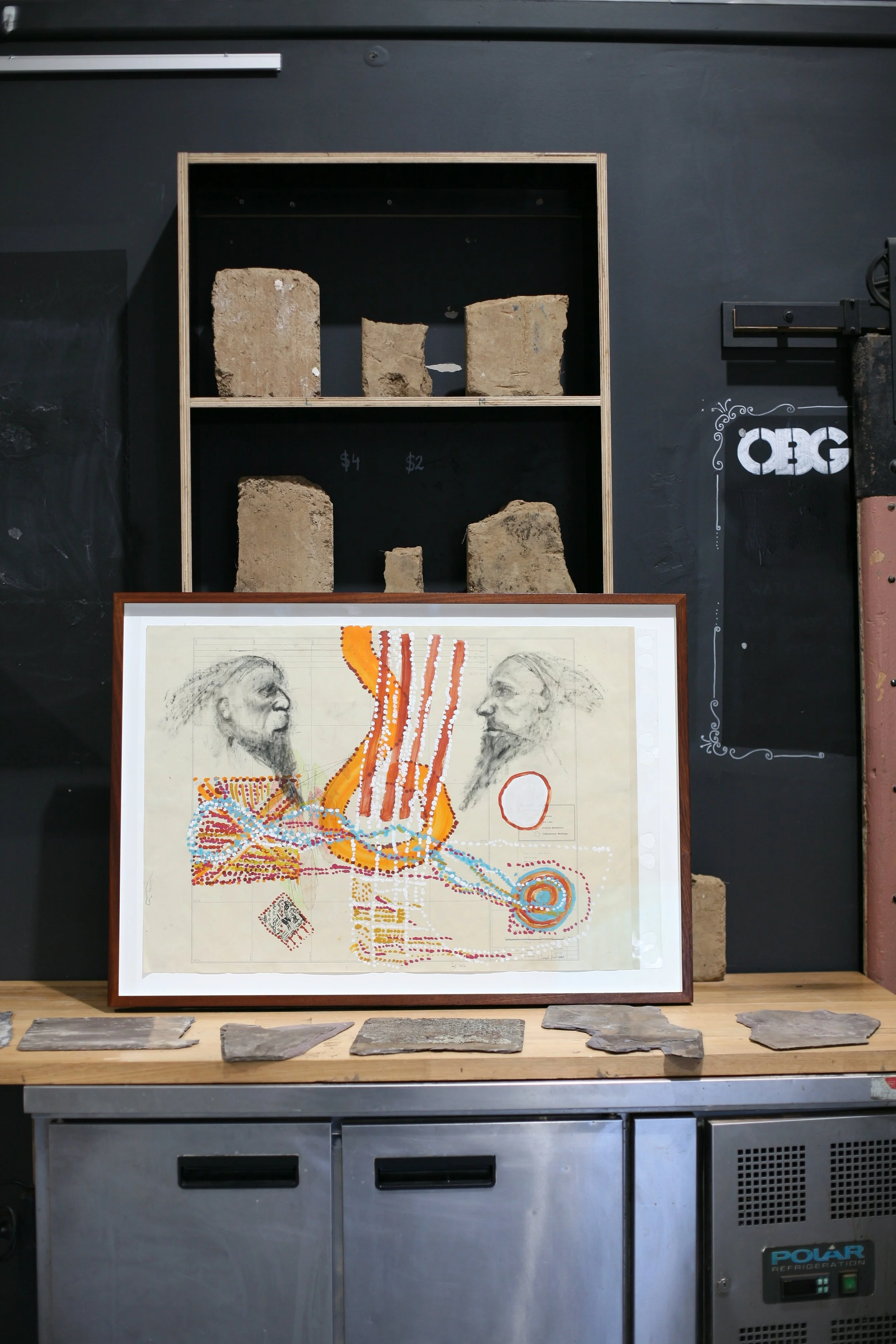
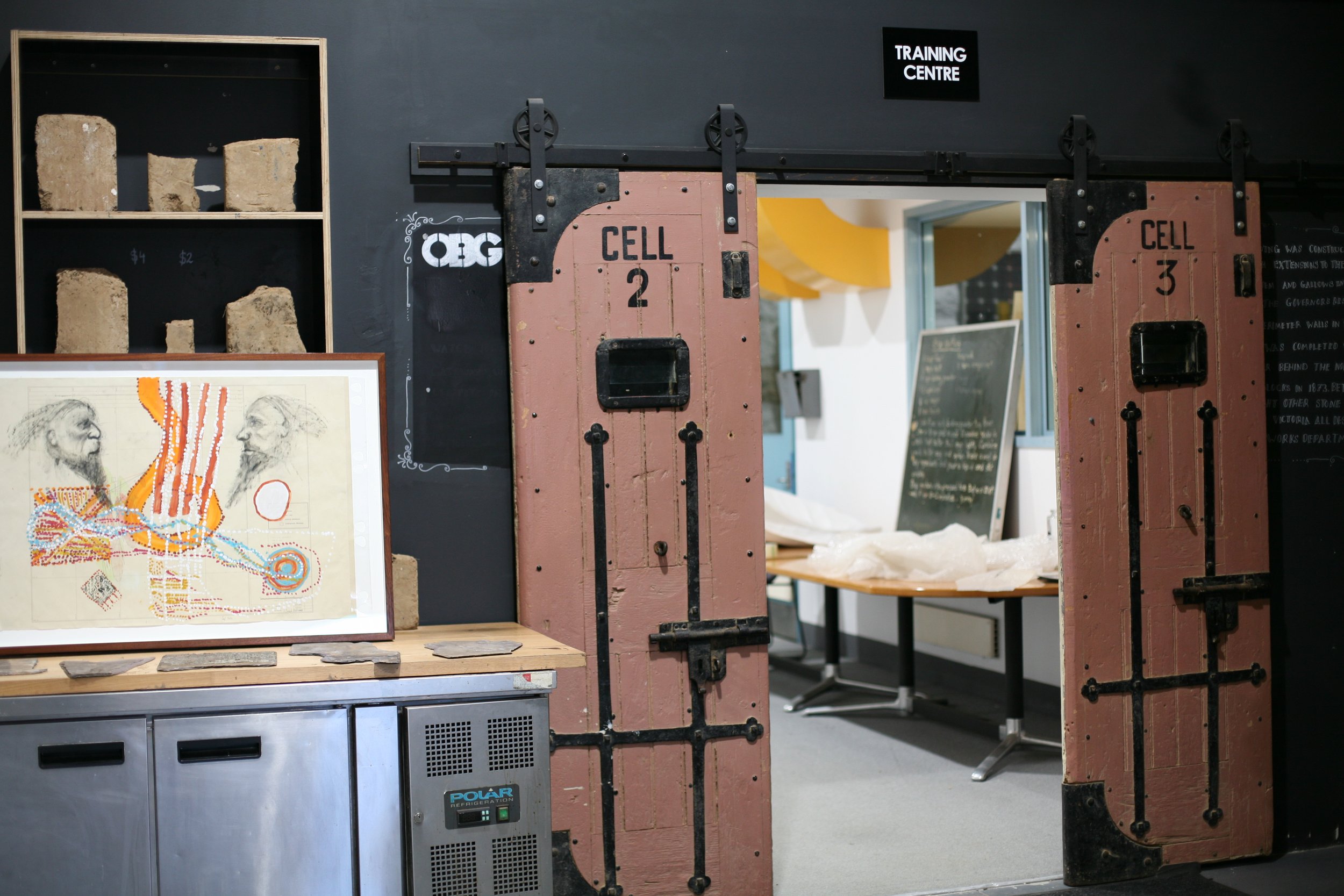
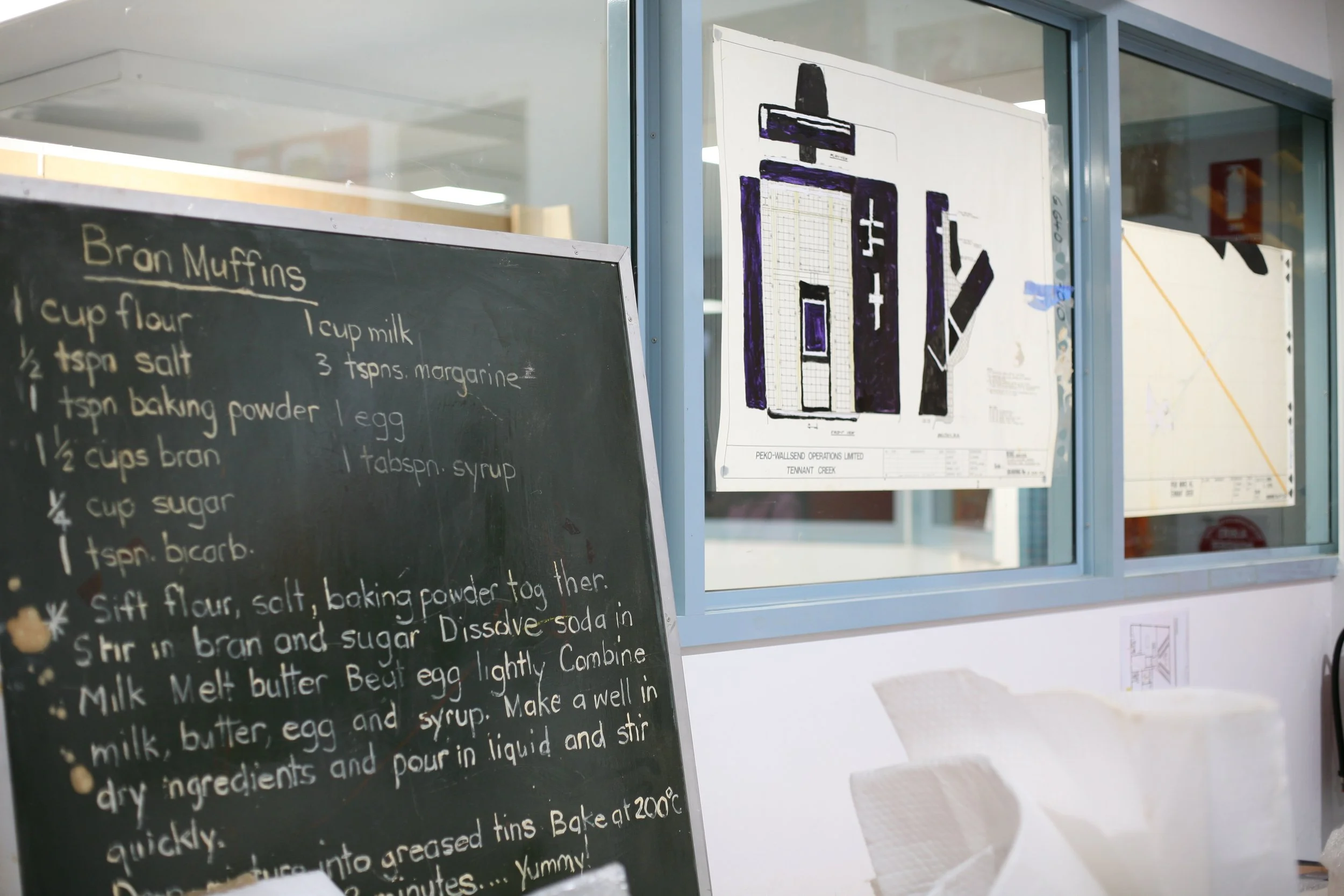
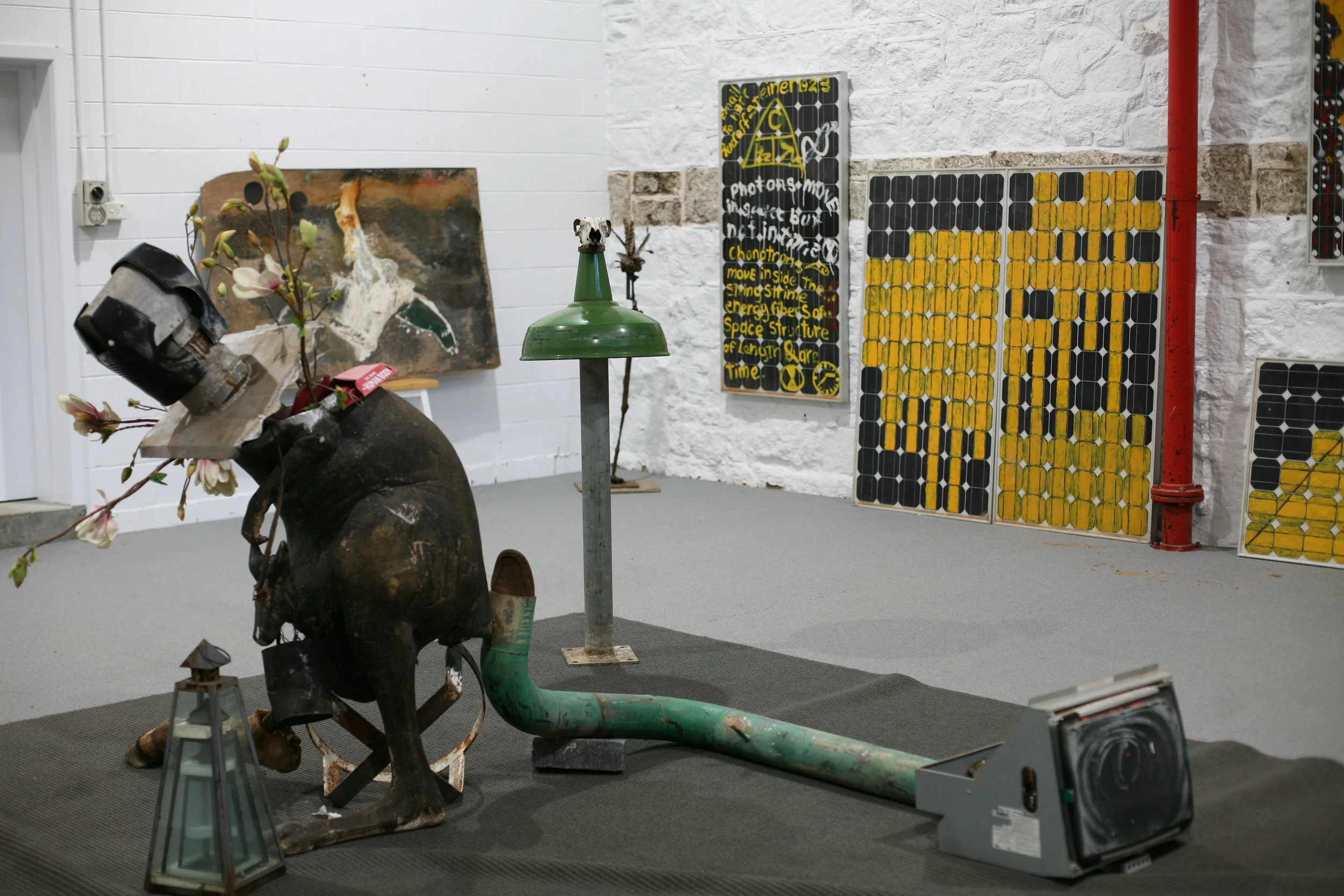
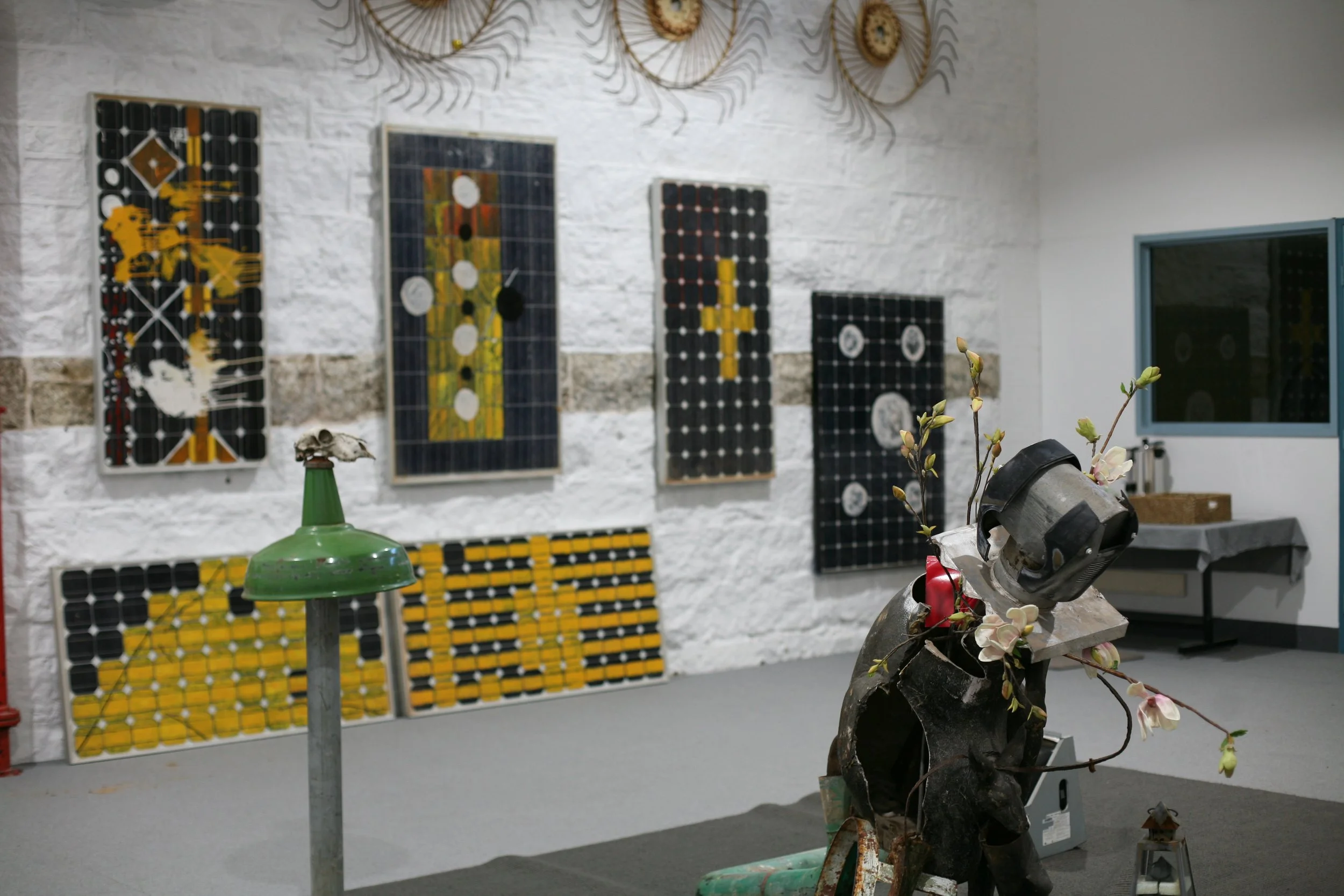
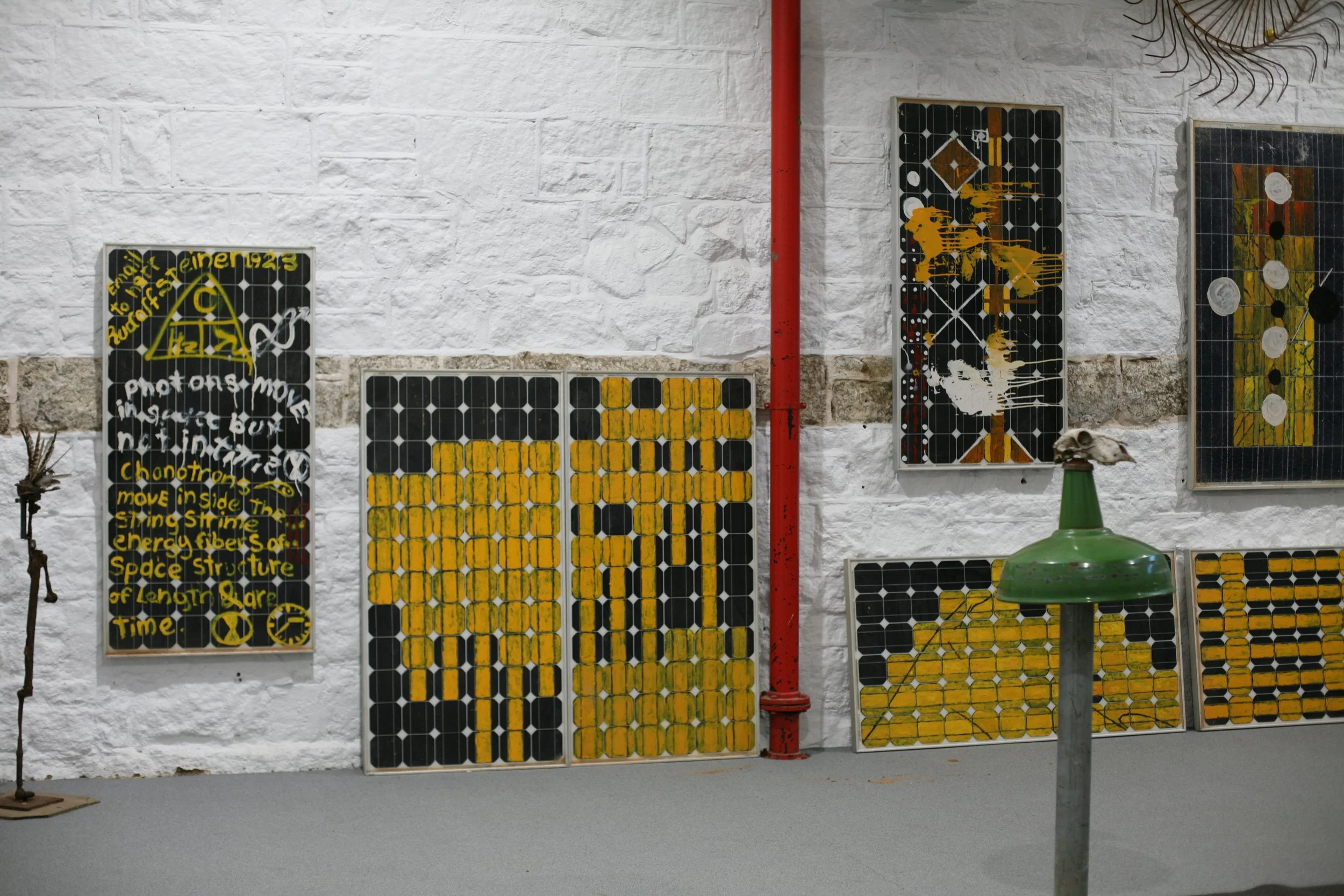
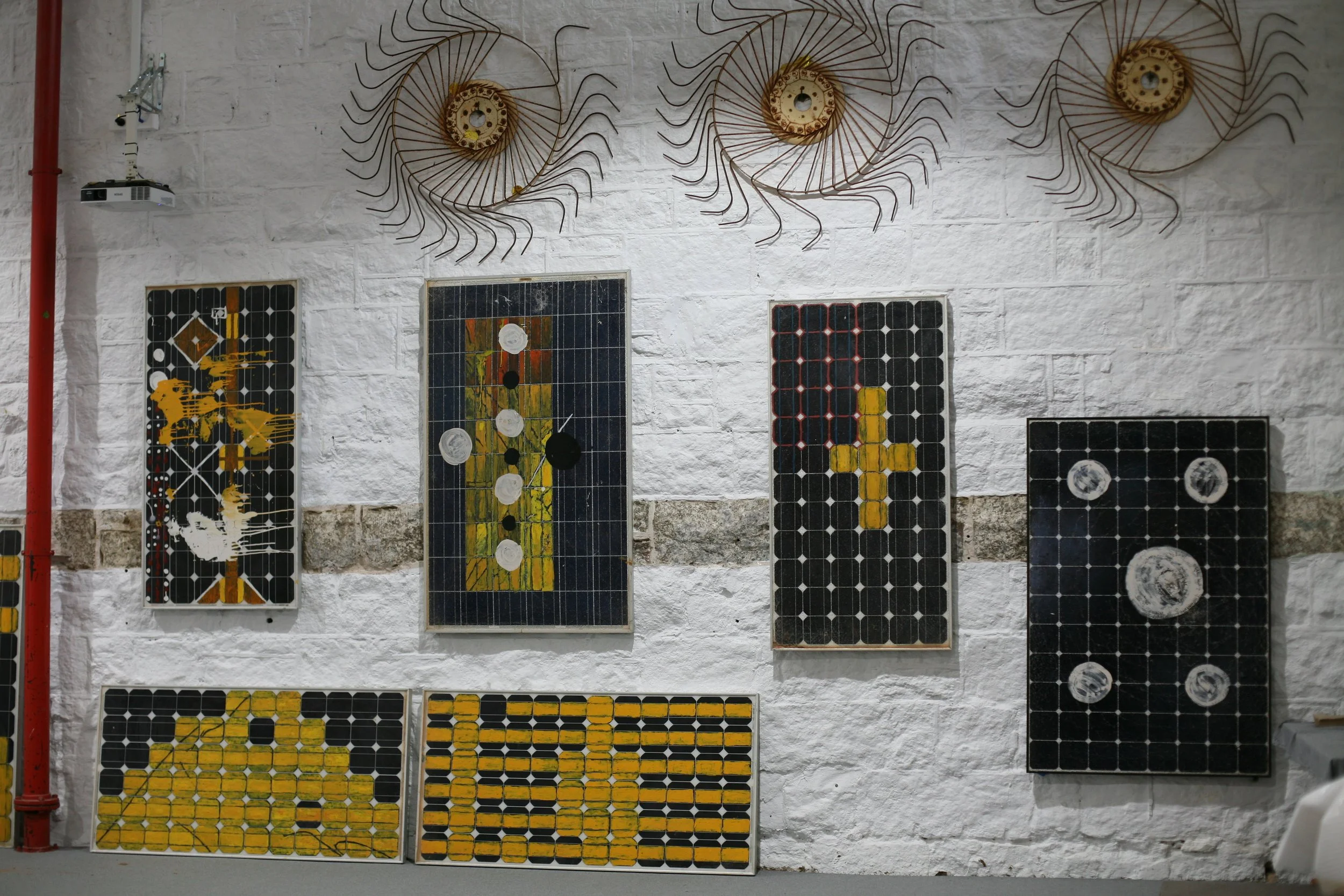
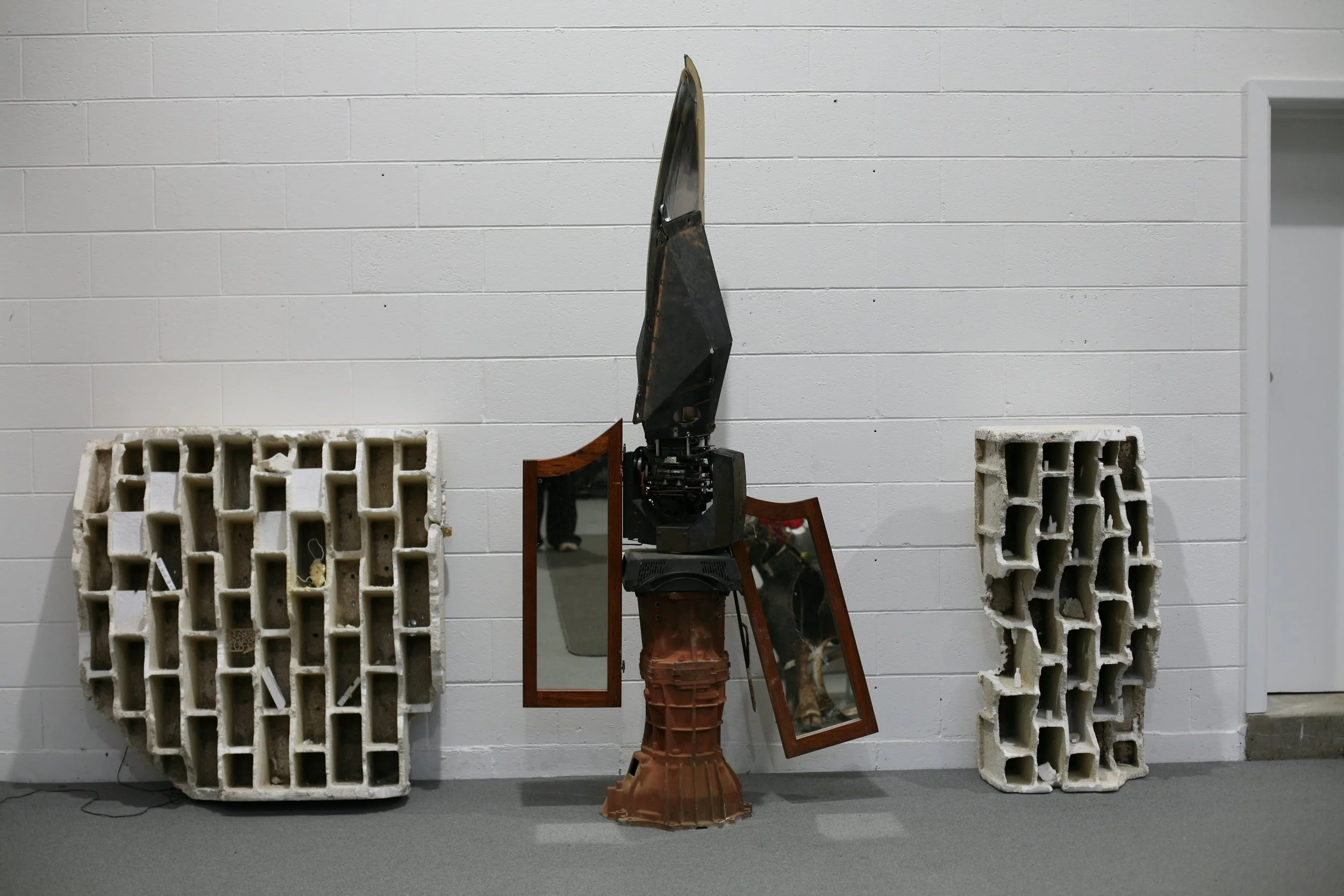
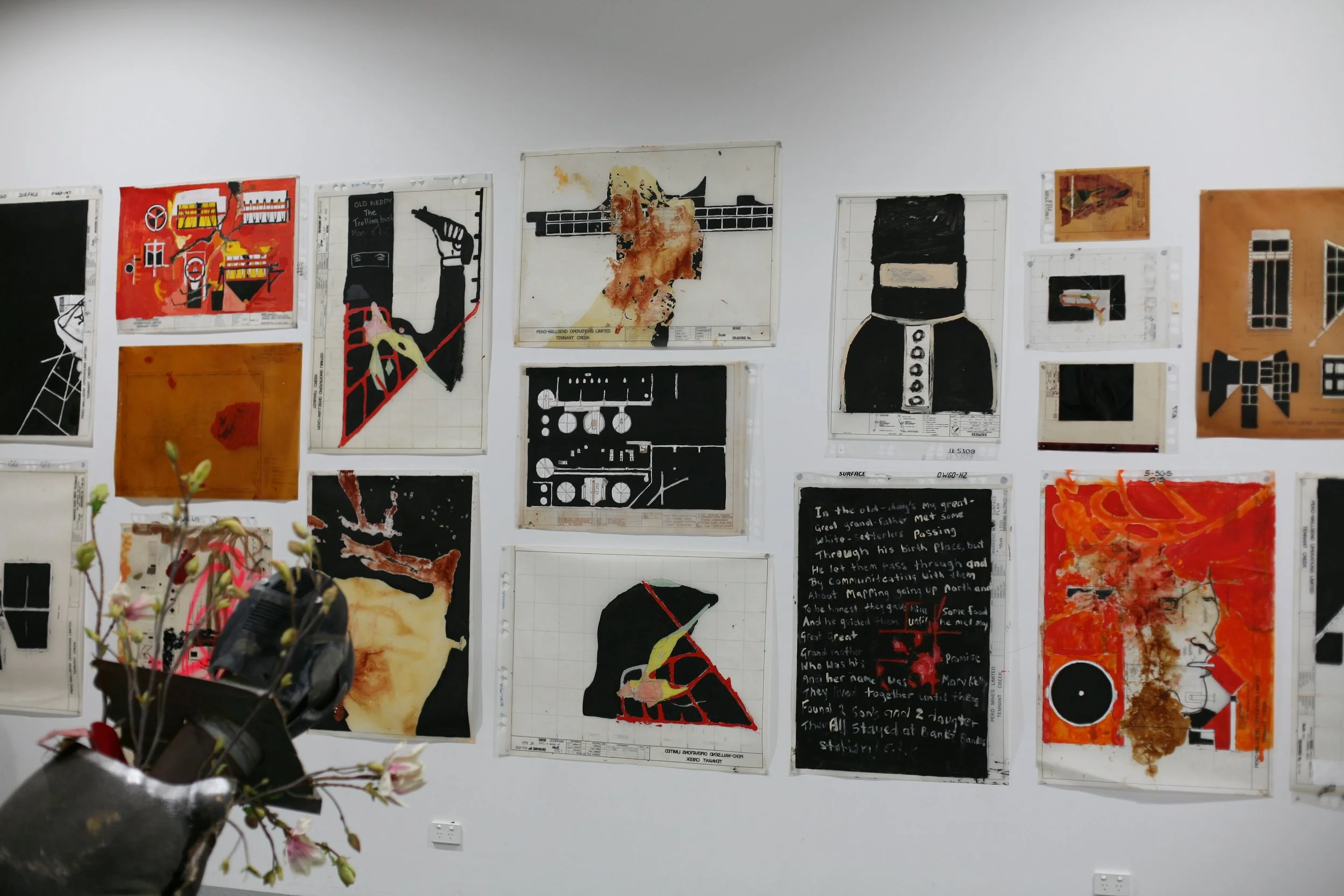
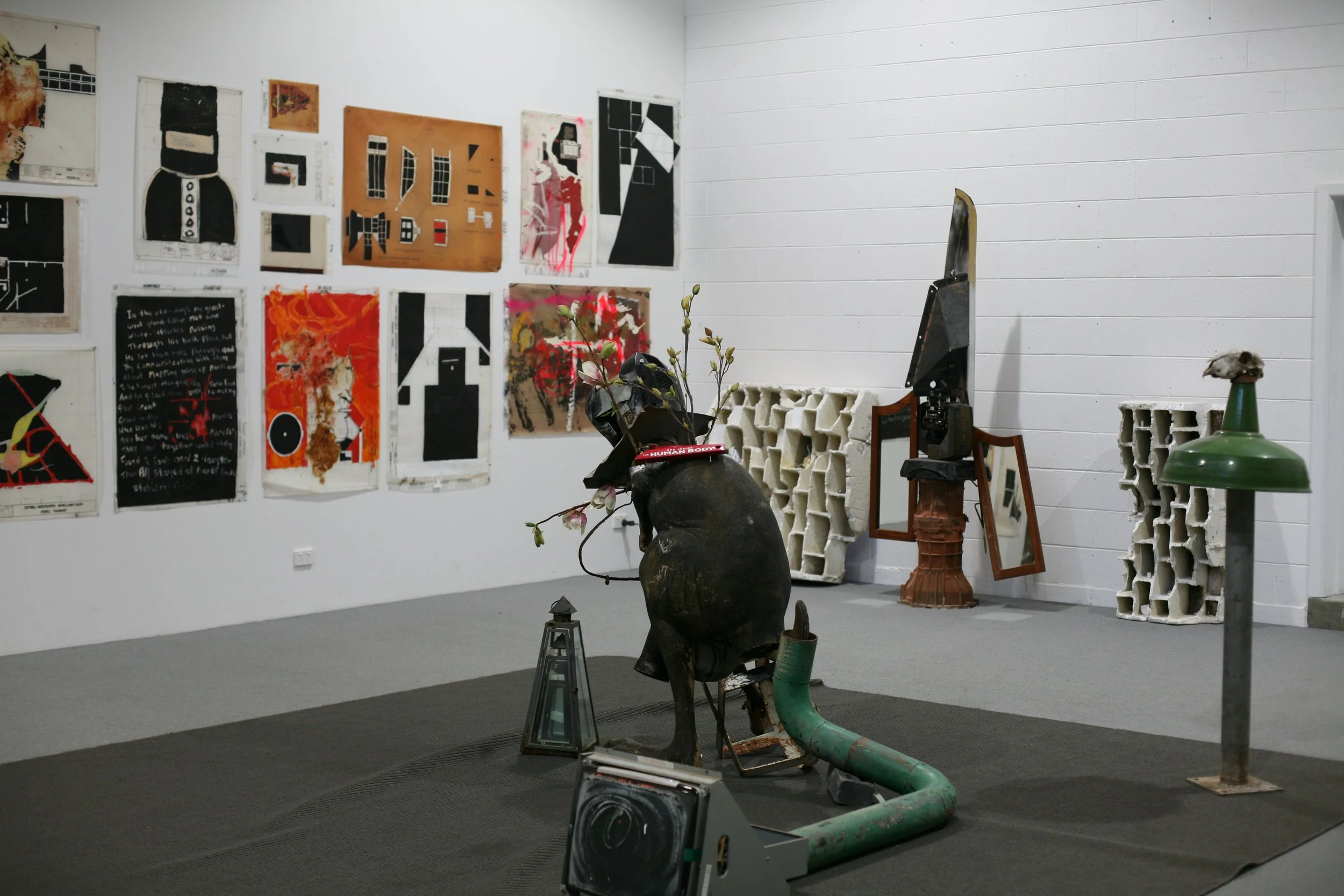
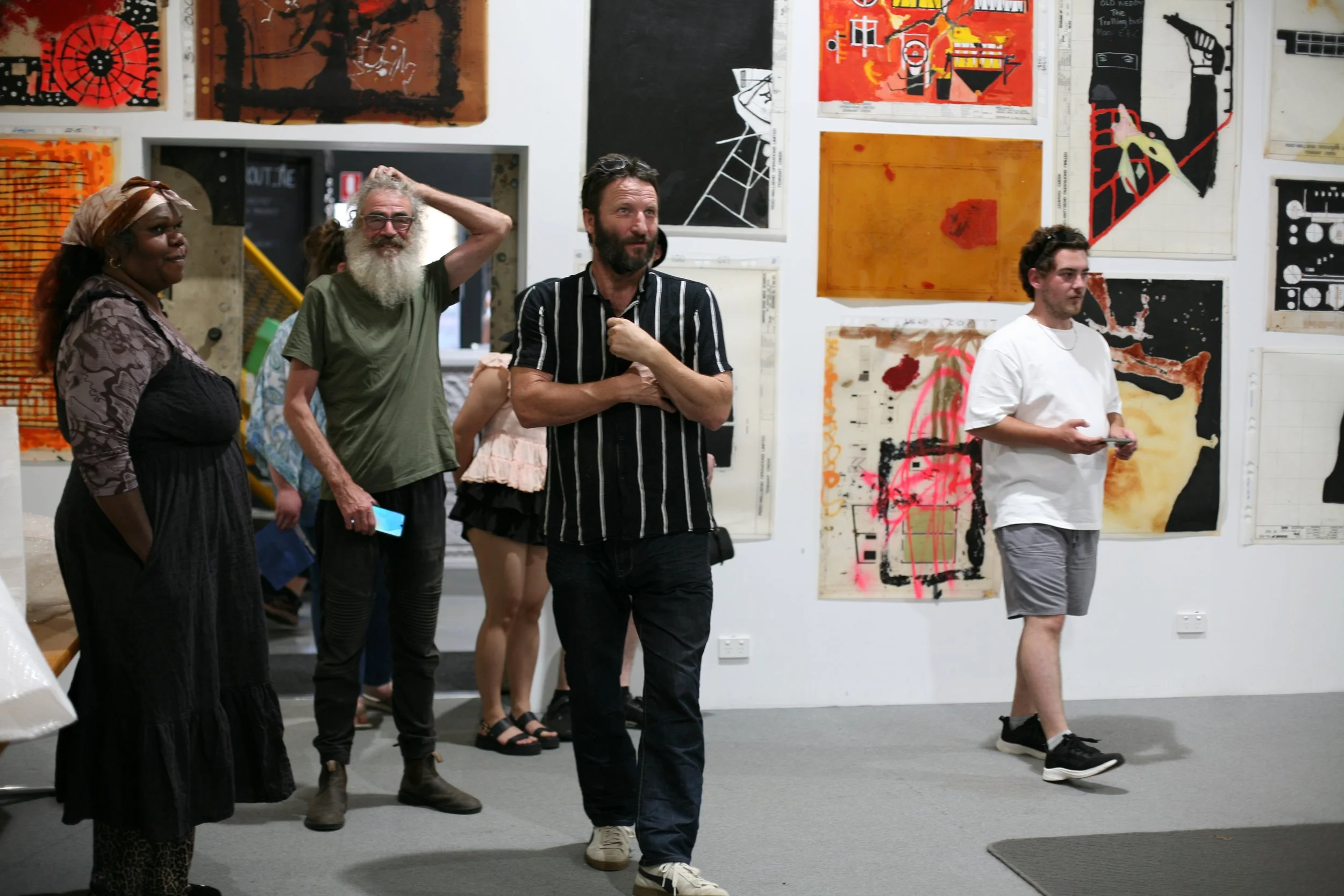
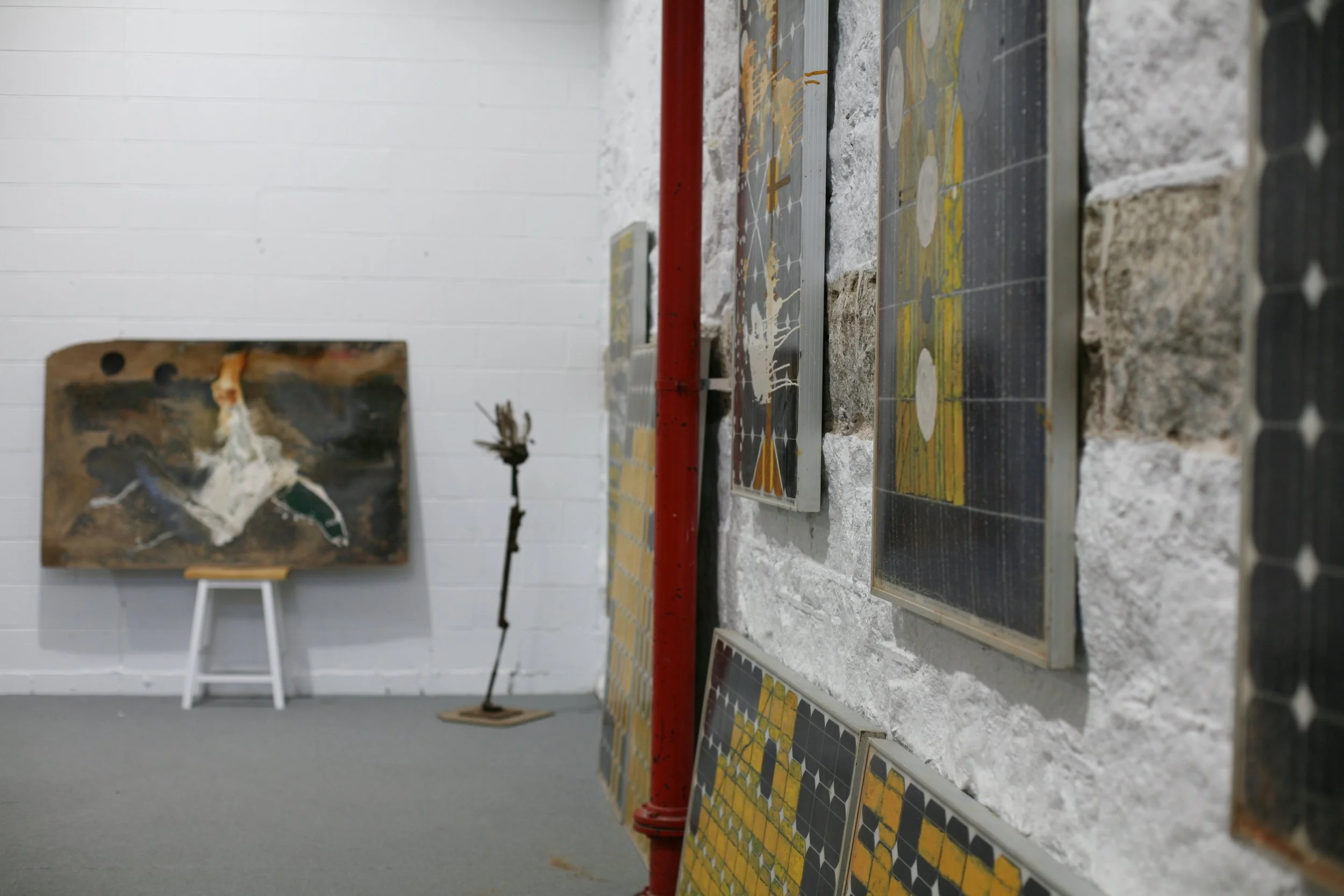
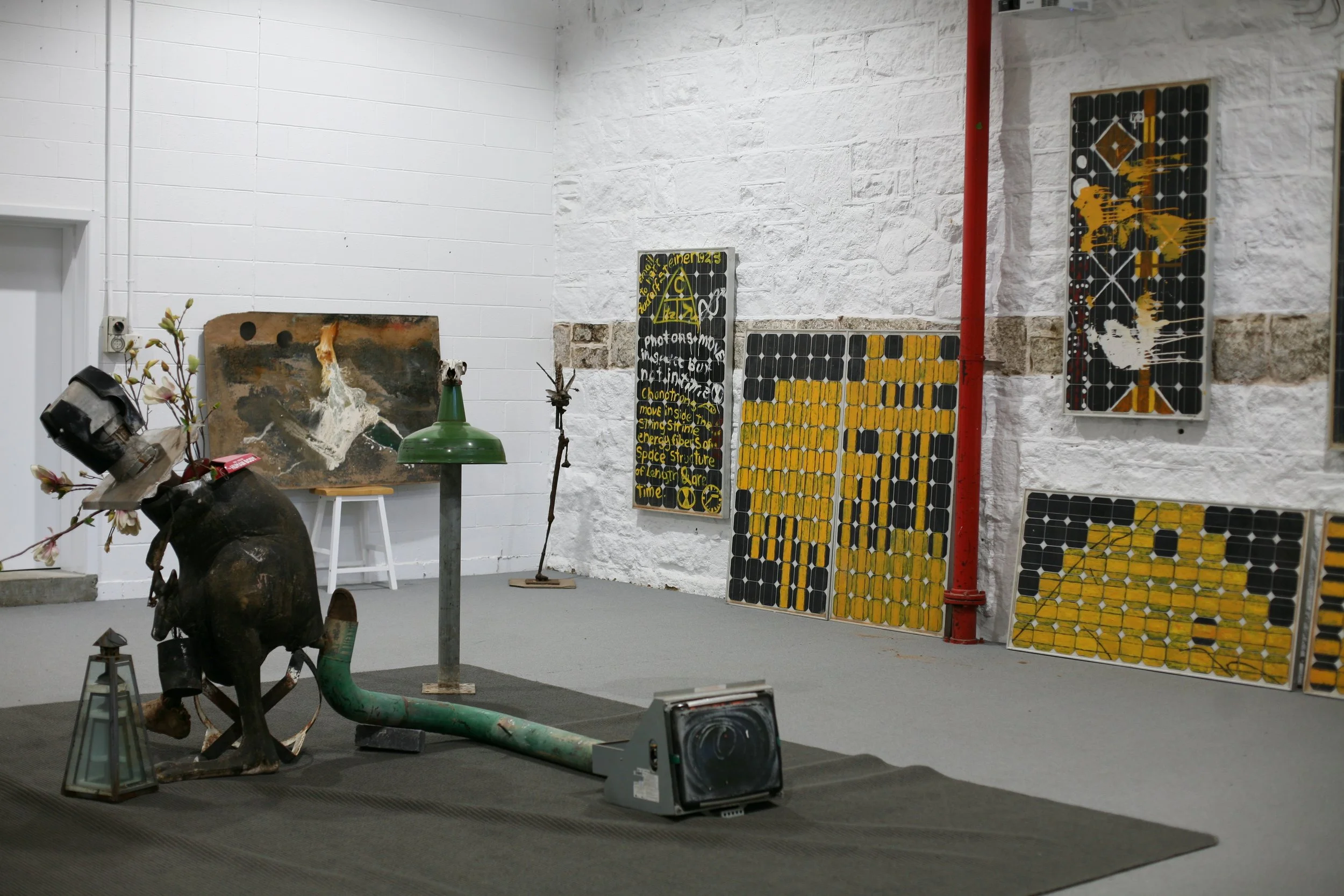
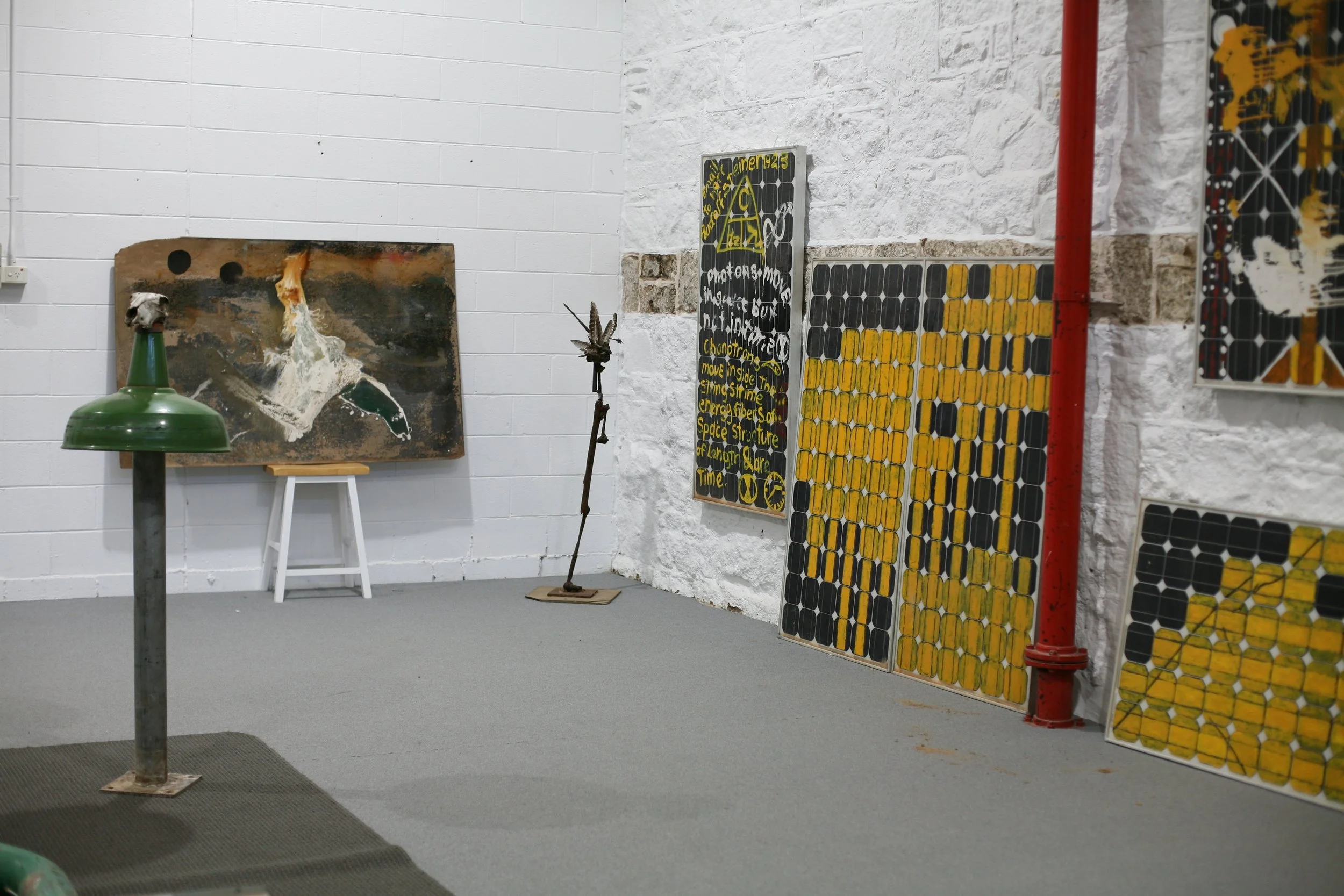
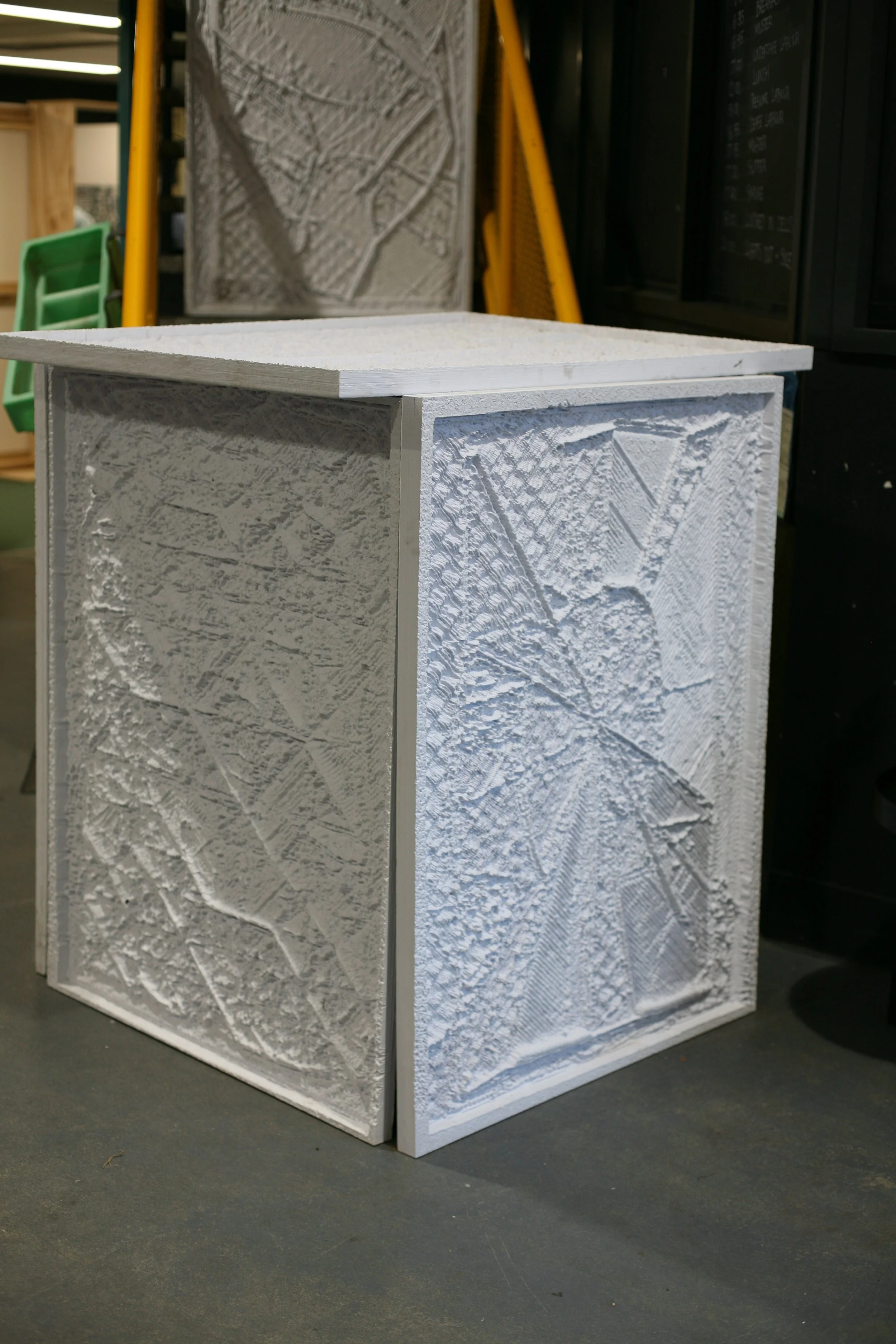
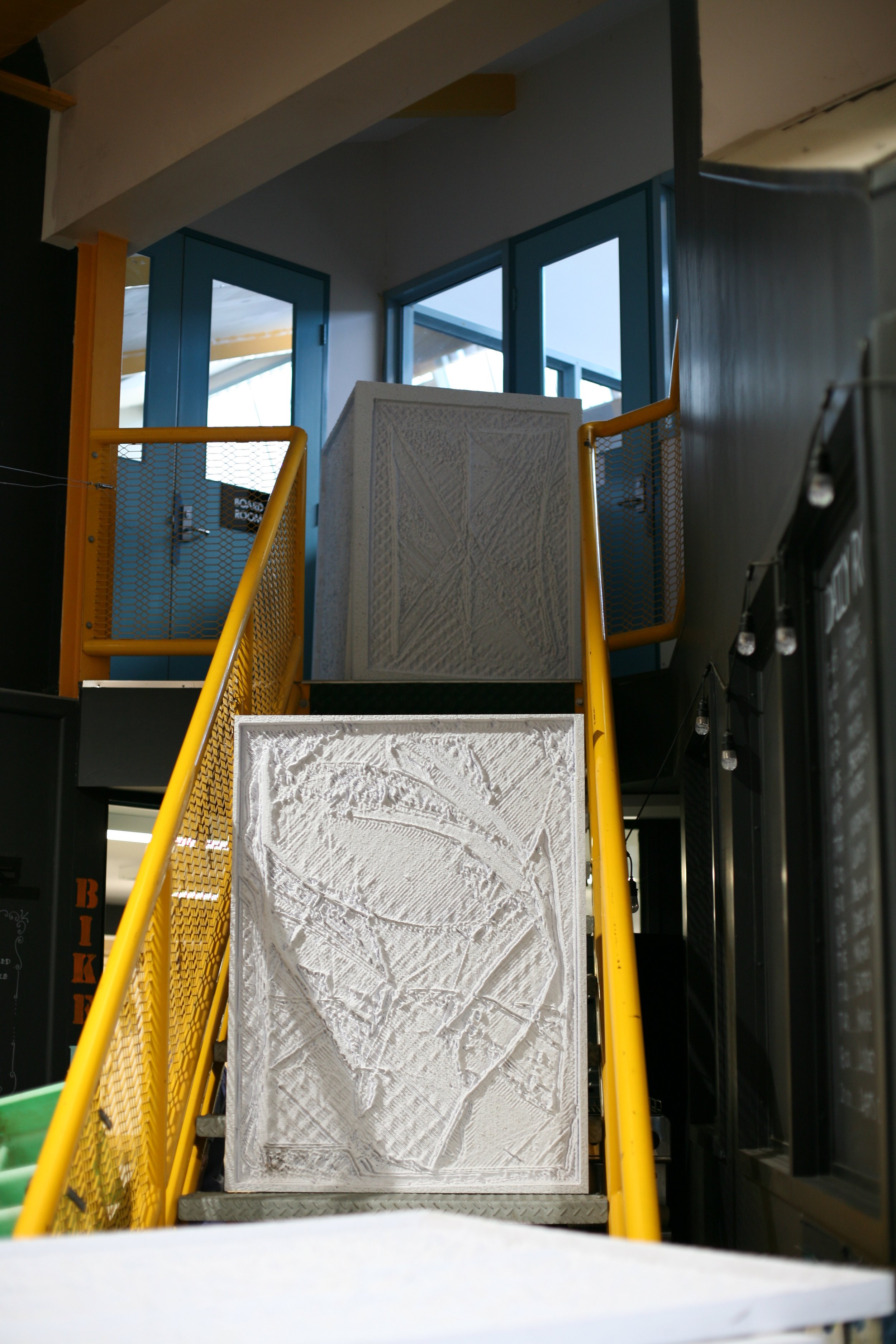
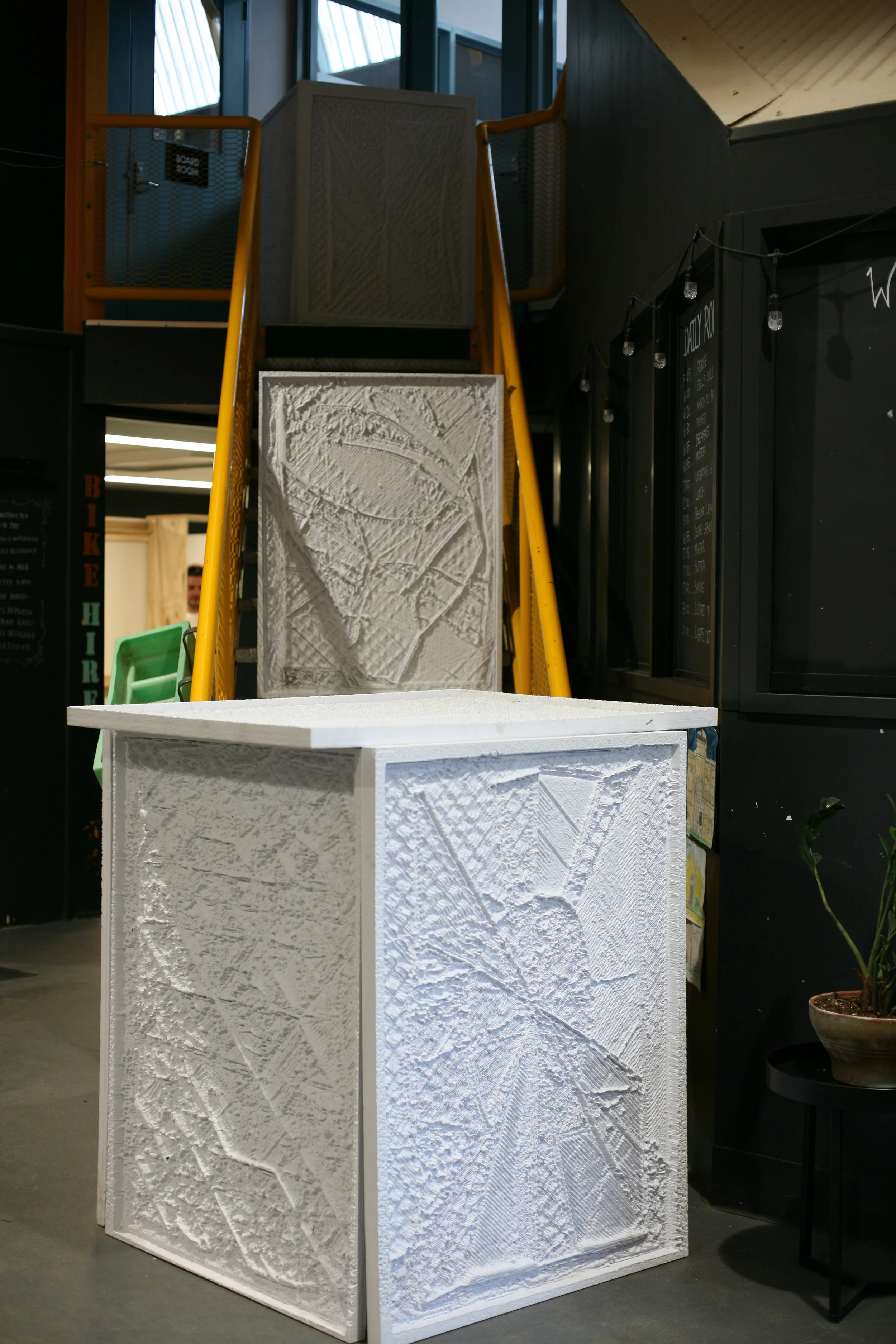
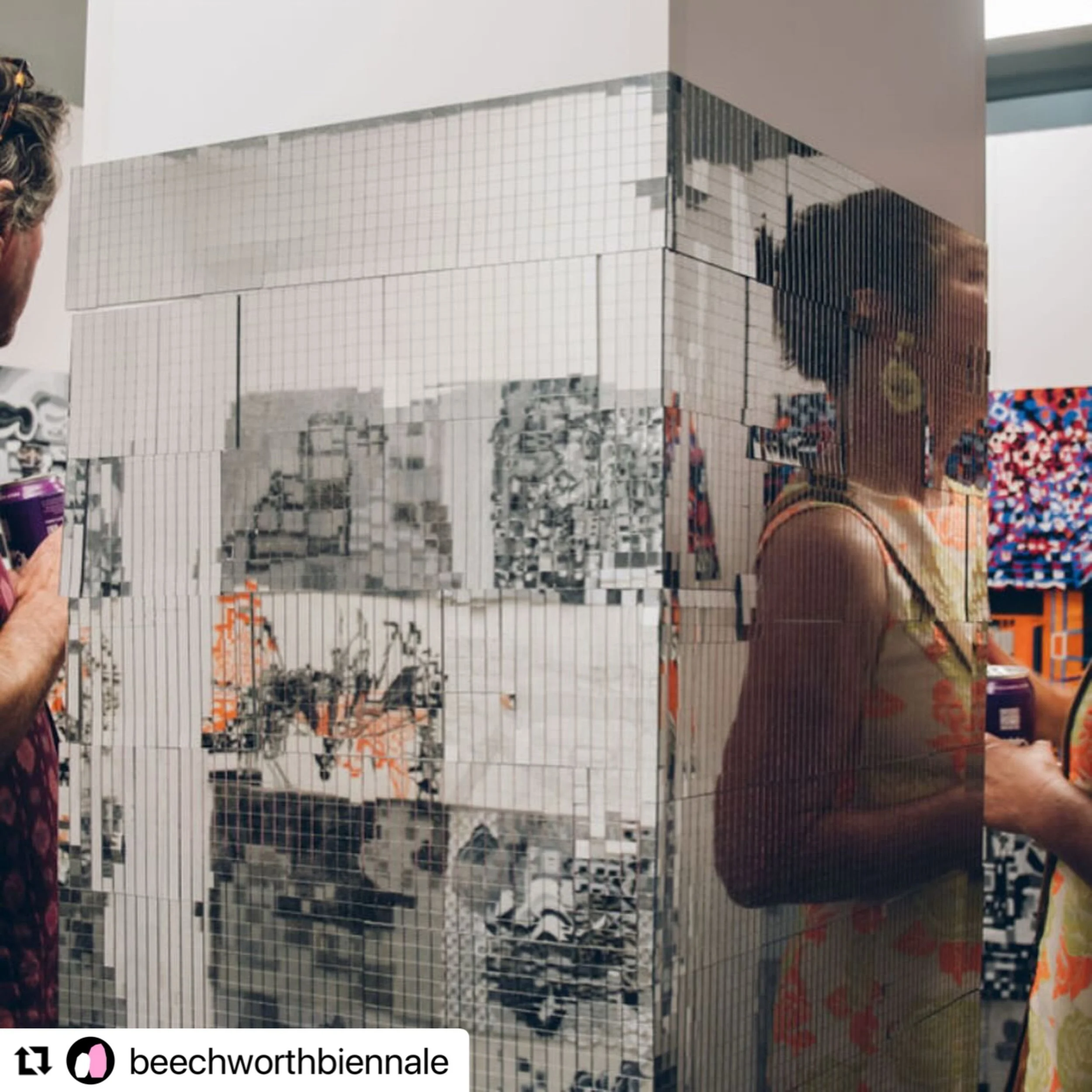
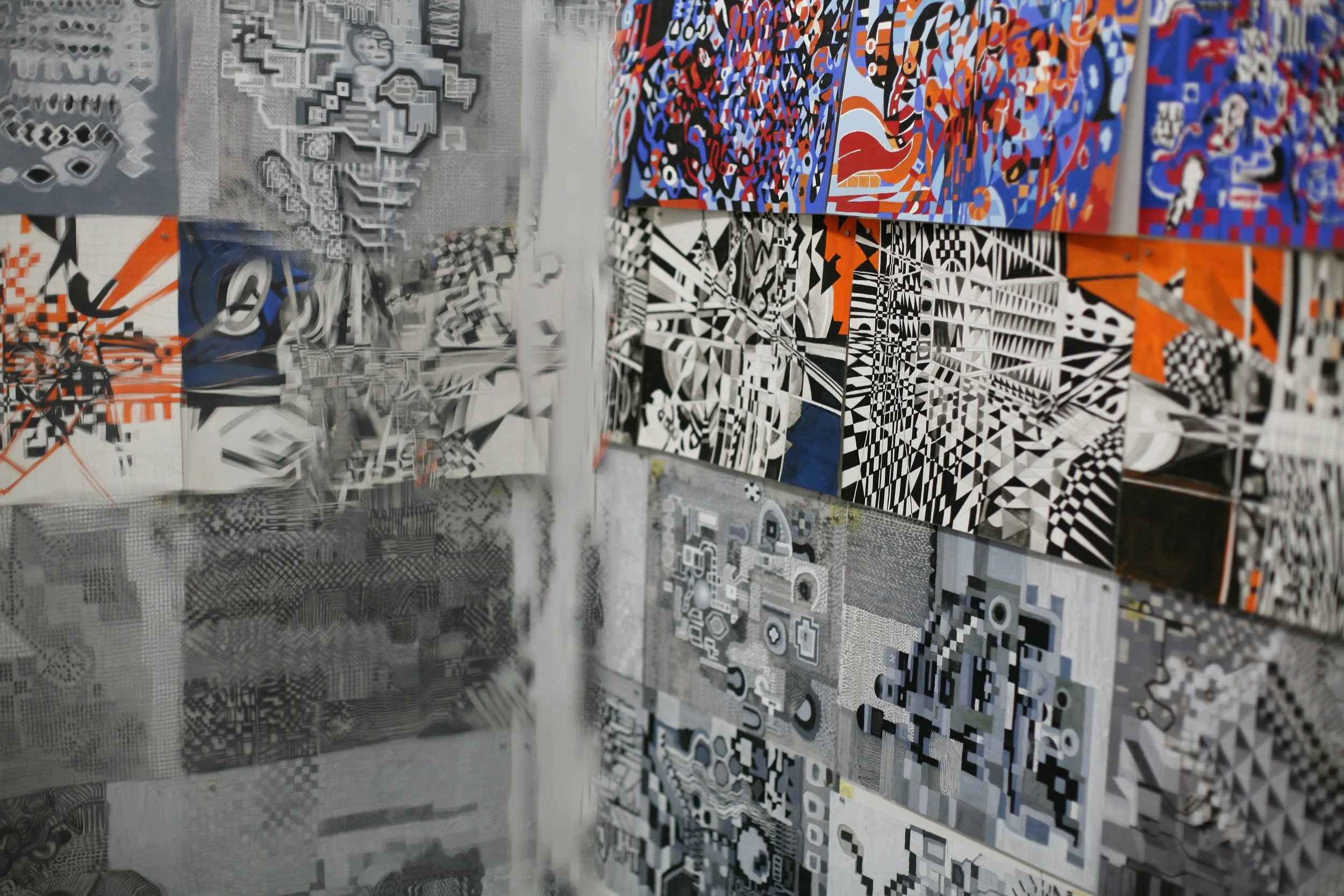
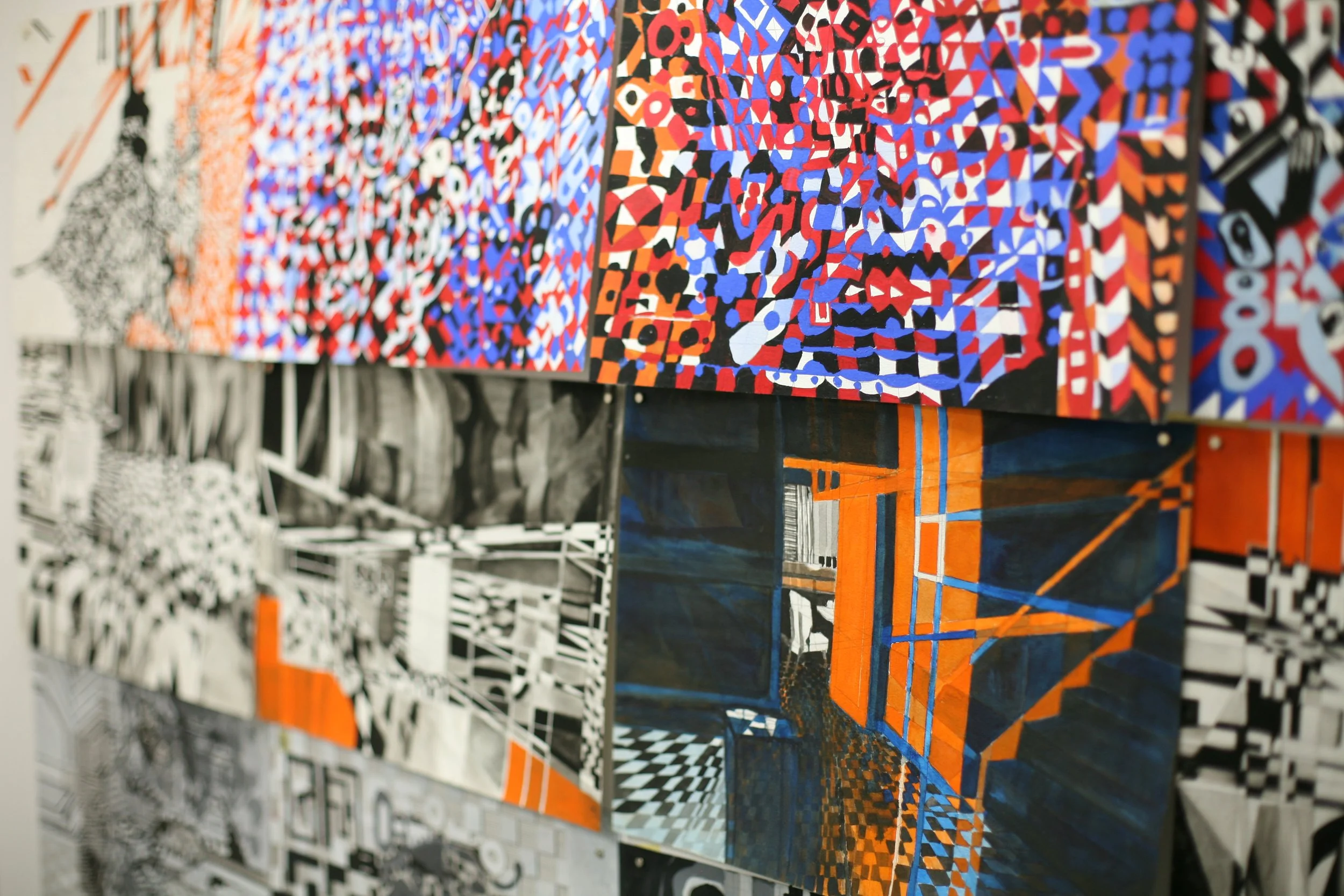
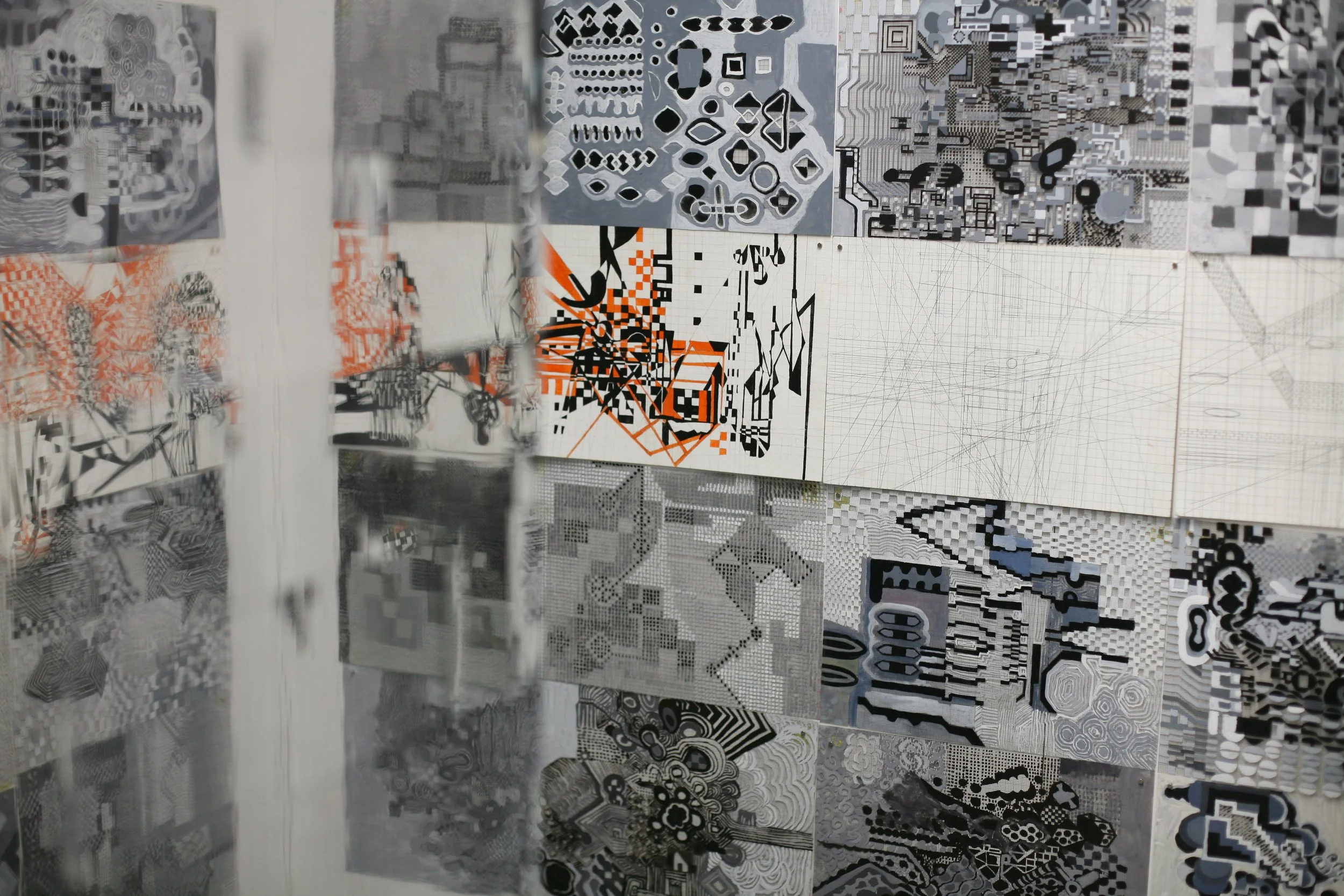
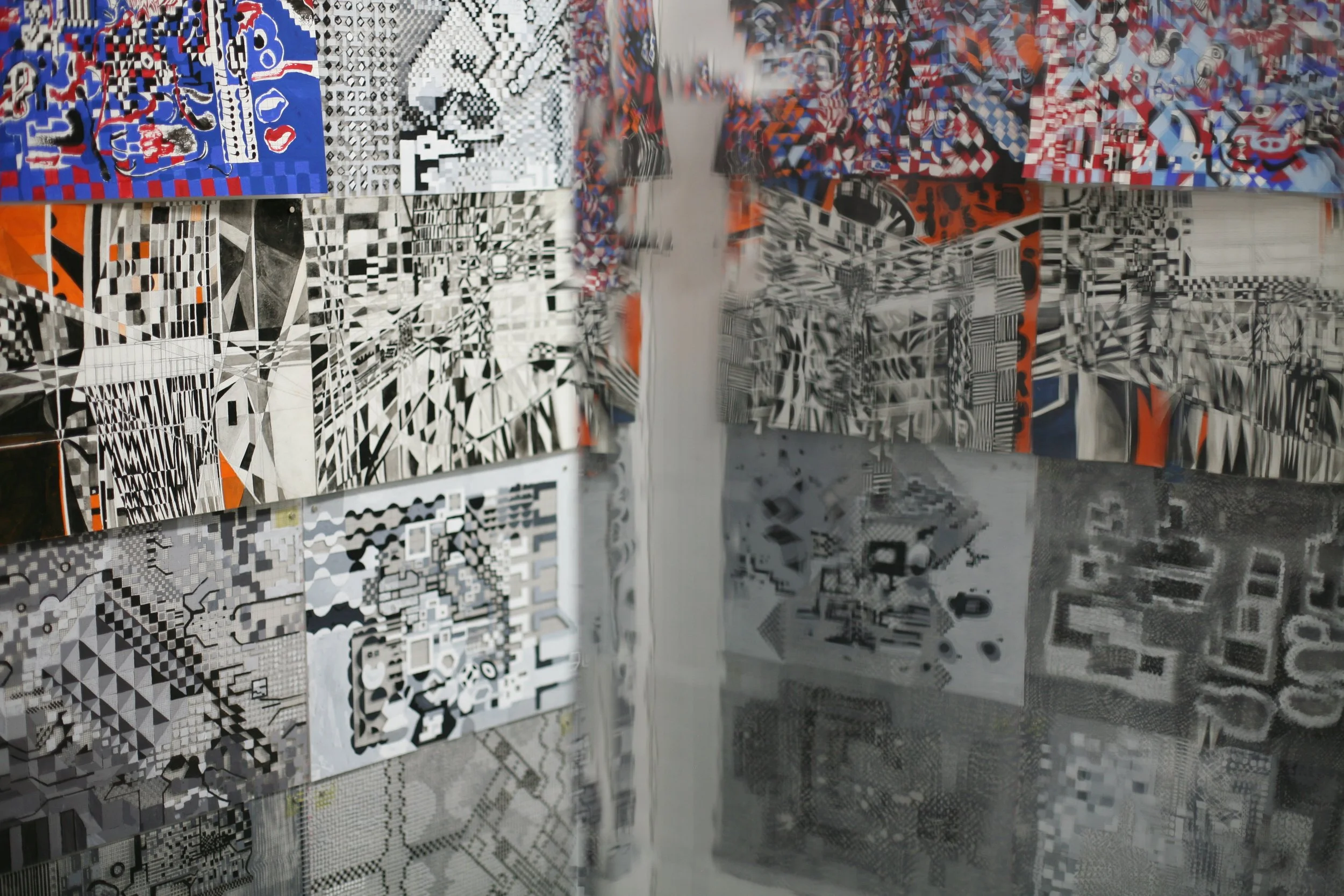
'Her Majesty's Prison' a site-specific installation, by The Tennant Creek Brio, Tina Douglas, Peter Webster.
Old Beechworth Gaol, Beechworth
7-9 March 2026
Her Majesty's Prison (To remove the armour and expose the skin beneath). A collaboration between Tennant Creek Brio Artists Fabian Brown, Lindsay Nelson, Rupert Betheras, Joseph Williams, Gary Sullibane, Lévi McLean, Eleanor Dixon and collaborators Tina Douglas and Peter Webster.
The selection panel included:
Blair French, CEO Murray Art Museum Albury Caroline Esbenshade, Curator Shepparton Art Museum
Nina Machielse Hunt, Creative Director Beechworth Biennale
Audiences were treated to a exciting myriad of art works created with non traditional art materials; from acrylic paintings on old mining site maps from Tennant Creek, assemblages made from found objects and painted works with text displayed on the wall of the site spaces. An immersive timber cell was built within the space with meticulous drawings and tiny mirrors. The entire display throughout the three rooms was endlessly stimulating and engaging for Biennale audiences to move through over the course of the event.
Beechworth Biennale, 23 March 2026
Exhibition essay:
Her Majesty’s Prison
(To remove the armour and expose the skin beneath).
“Machines were mice and men were lions once upon a time. But now that it’s the opposite, it’s twice upon
a time.” – Moondog
Her Majesty’s Prison Beechworth hosts sketched portraits that mark a new cultural circuitry. A film depicts the flow of molten precious metal and the sulfuric emission of industrialised lava-flow. Alloyed Into a solfeggio of unpolished chrome, the phase-locking of mineral frequencies belonging to disparate metals are tuned to the spectrum of pure gold: 316 Hz. A symbol for timelessness. Time, keeping company within a disturbed material and psychological state, Her Majesty’s Prison contains its own counterpoint.
This exhibition disturbs the complacent experience of time by reorienting history into a synergy of absurd conjunctions and composites of language.
‘Installation’ becomes a simulation for the purpose of the public’s sensory surrender to art in a time of technological reversal; art drawn from the morphic field of de-constructed memory, promoting its own and future systems.
In the turbulence of repurposing and recontextualisation, prescribed identity and standard technological models form into clusters of new material, a resonant mass; a tableaux of absences, a column of ciphers, an historical jail—a tunnel of silence and site of profanation; an open-loop system in a passage of parallel time. As a bootleg system of transmutation, transmission, and collectivity, these works mirror and distort the industrial and social worlds that give rise to them.
share into conflict,, to remove the armour and expose the skin beneath. b